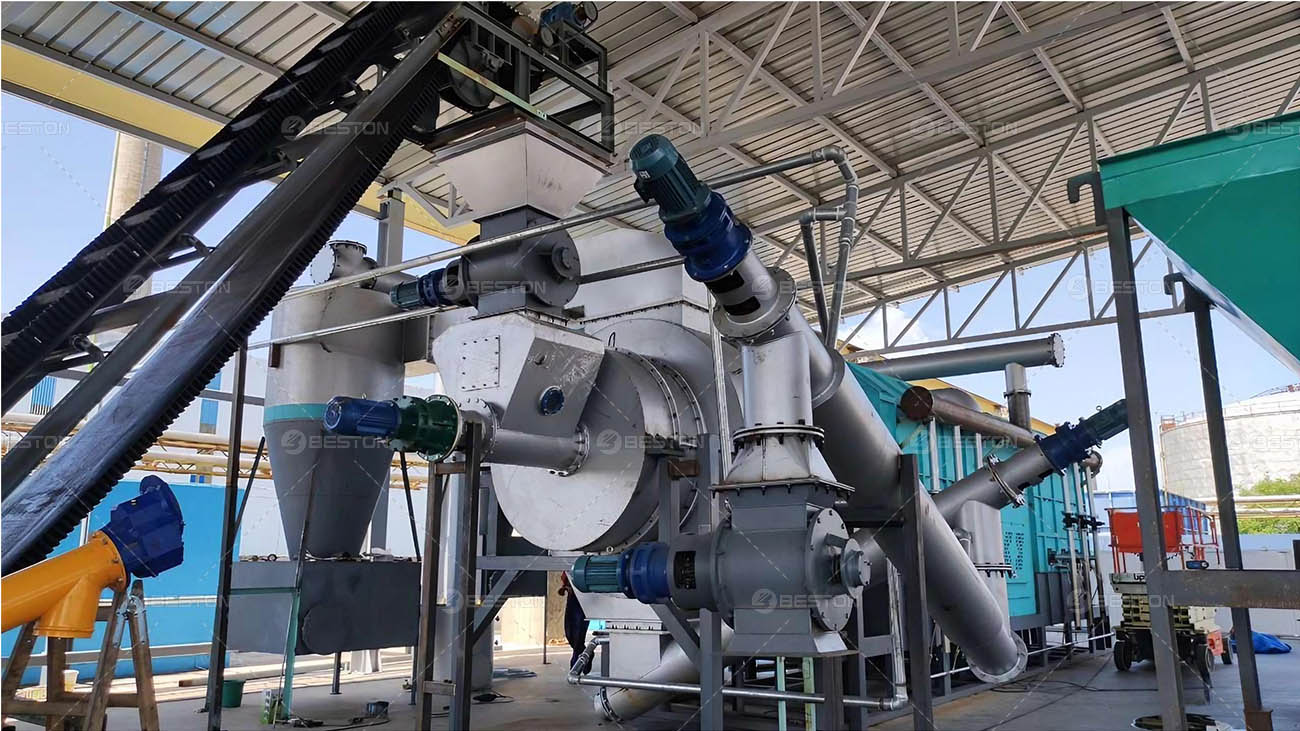
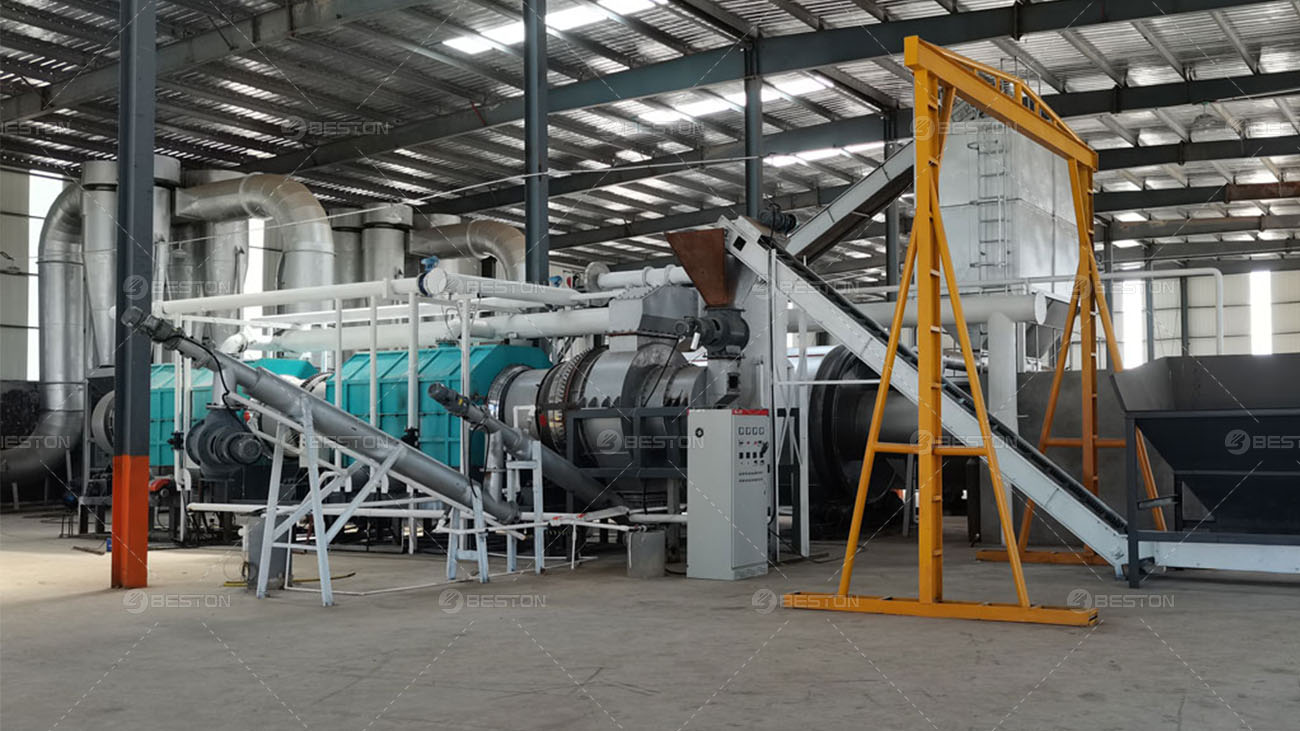
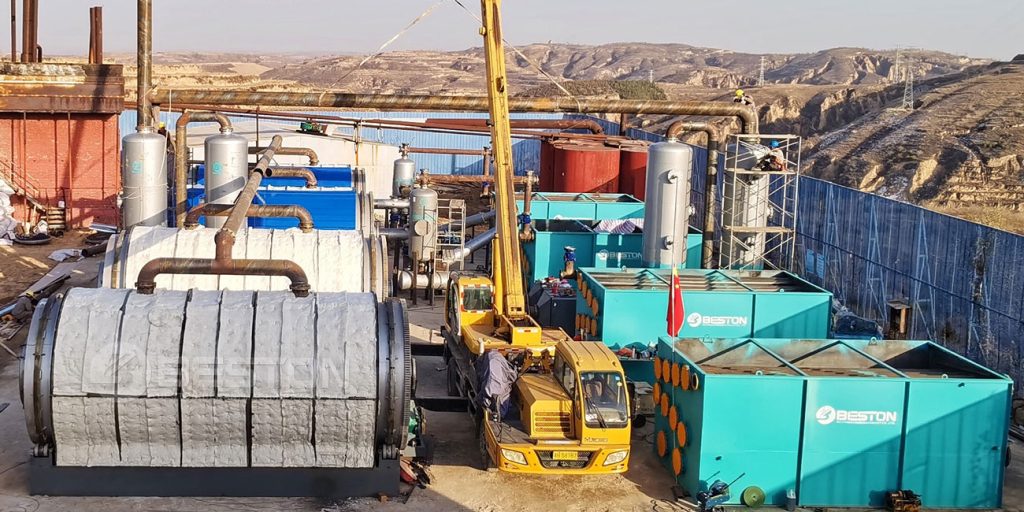
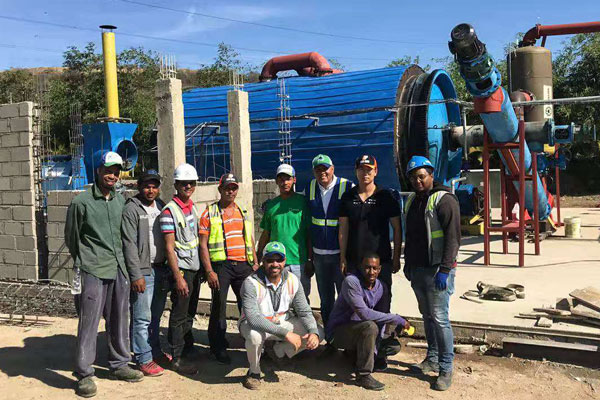
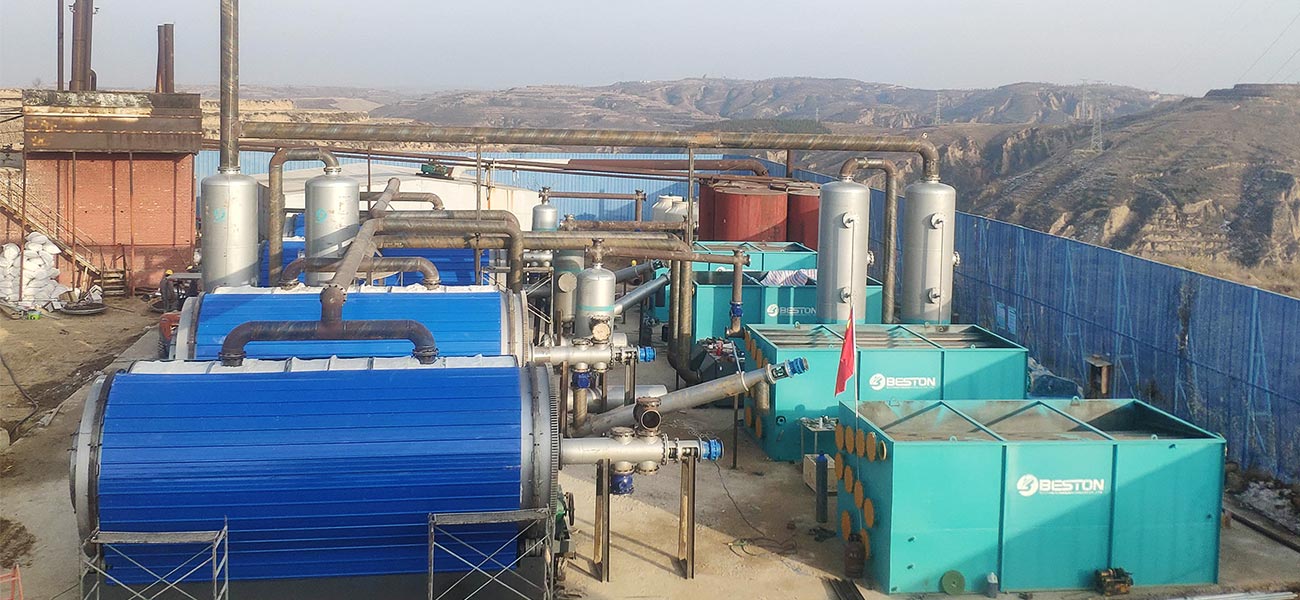
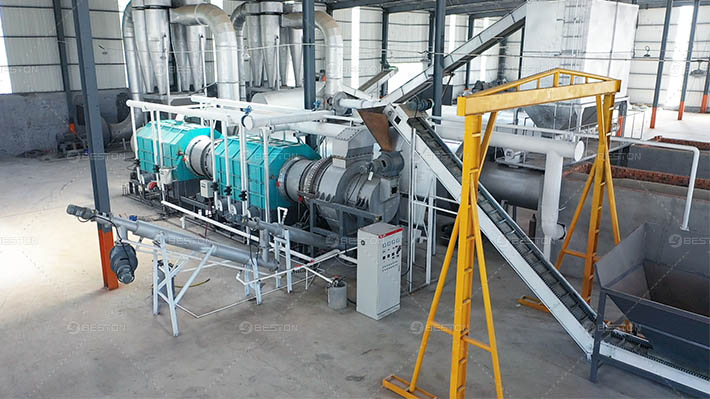
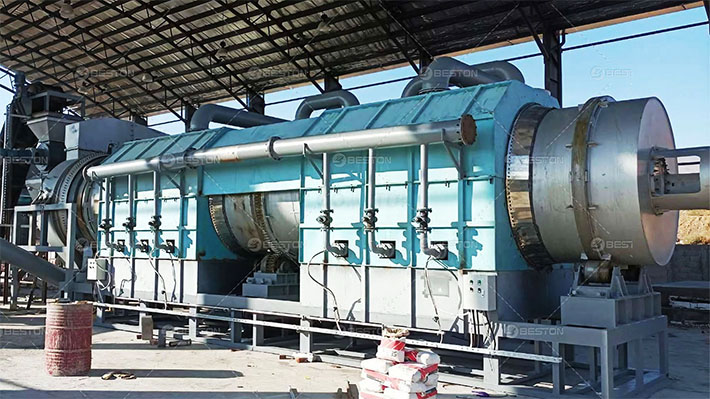
Sustainable livestock management increasingly relies on innovative approaches to waste reduction, energy efficiency, and soil health. Among the emerging solutions, the integration of a charcoal making machine has shown notable potential in transforming agricultural residues into high-value biochar. This approach not only mitigates environmental pressures but also contributes directly to the operational efficiency and sustainability of livestock farms.
Enhancing Feedstock Utilization
Livestock operations generate substantial amounts of organic residues, including husks, stalks, and other plant-based byproducts. Converting these materials through a jute stick charcoal machine enables the extraction of carbon-rich biochar, a resource that can enhance soil fertility and improve livestock feed efficiency when used as a supplement. The process reduces waste accumulation on the farm while producing a product with significant agronomic benefits.
Optimizing Energy Recovery
The adoption of a biomass carbonization plant in livestock operations facilitates simultaneous waste management and energy recovery. The thermal conversion of biomass generates a stable carbon product while releasing syngas and heat that can be repurposed within farm operations. This closed-loop system reduces dependency on fossil fuels, lowering operational costs and promoting a more resilient energy infrastructure for rural livestock enterprises.
Customizing Carbonization Solutions
Different feedstocks require precise technical adjustments for efficient carbonization. For instance, a rice hull carbonizer design can accommodate small, low-density residues, ensuring complete conversion without excessive energy consumption. Customization of the machine’s parameters, including temperature profiles and retention time, is critical to producing uniform, high-quality biochar suitable for soil amendment or as a livestock dietary additive.
Regional Applications and Adoption
In regions like East Africa, the charcoal making machine in Kenya has gained traction as a practical tool for integrating sustainable practices into livestock management. The technology supports both environmental stewardship and economic resilience. Smallholder farmers, in particular, benefit from the dual outputs of biochar and renewable energy, which collectively improve feed efficiency, soil health, and overall farm productivity.
Environmental and Economic Impacts
Incorporating a charcoal making machine into livestock operations addresses multiple sustainability goals simultaneously. By converting agricultural residues into biochar, farms reduce methane emissions from decomposition, enhance carbon sequestration, and limit the use of chemical fertilizers. Economically, the ability to produce and sell biochar or utilize generated heat within the farm creates additional revenue streams and reduces dependence on external inputs.
Future Prospects
As livestock operations confront pressures from climate change, resource scarcity, and regulatory requirements, integrating biomass carbonization technologies offers a tangible pathway to sustainable management. Advances in jute stick charcoal machine and rice hull carbonizer design continue to improve operational efficiency, scalability, and environmental compliance. Widespread adoption of these systems can transform livestock operations into models of circular agriculture, where waste is valorized into energy and bio-based products.
The integration of charcoal making machinery in livestock farming represents a strategic convergence of waste management, renewable energy, and soil enhancement. By leveraging these technologies, farms can achieve measurable environmental gains while sustaining productive and economically viable operations.
In the face of global waste management challenges and the urgent need for alternative energy sources, scientists and industries are turning to innovative thermal conversion technologies. Among these, pyrolysis has emerged as one of the most promising solutions. By heating organic waste materials in the absence of oxygen, pyrolysis converts waste into usable products such as oil, gas, and carbon black. This process not only minimizes landfill waste but also supports a circular economy model where discarded materials are given a new purpose.
Understanding the Pyrolysis Process
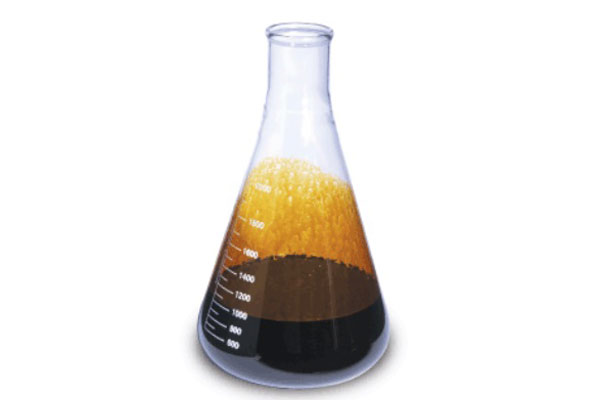
Pyrolysis is a thermochemical process that breaks down complex organic molecules into simpler compounds through high-temperature decomposition. When plastic, rubber, or biomass waste is subjected to pyrolysis, it transforms into liquid oil, syngas, and solid residues. The resulting oil can be further refined and used as a substitute for conventional fuels. This method stands out for its ability to handle various types of waste without releasing harmful emissions if properly managed.
Modern pyrolysis machinery integrates advanced temperature control systems and automated feeding designs, ensuring stable operation and efficient energy conversion. These systems are designed for long-term use, reducing operational costs and enhancing profitability for recycling plants. Moreover, pyrolysis machinery can be customized to process different feedstocks such as plastics, tires, or municipal solid waste, making it a versatile solution for many industries.
Turning Plastic Waste into Fuel
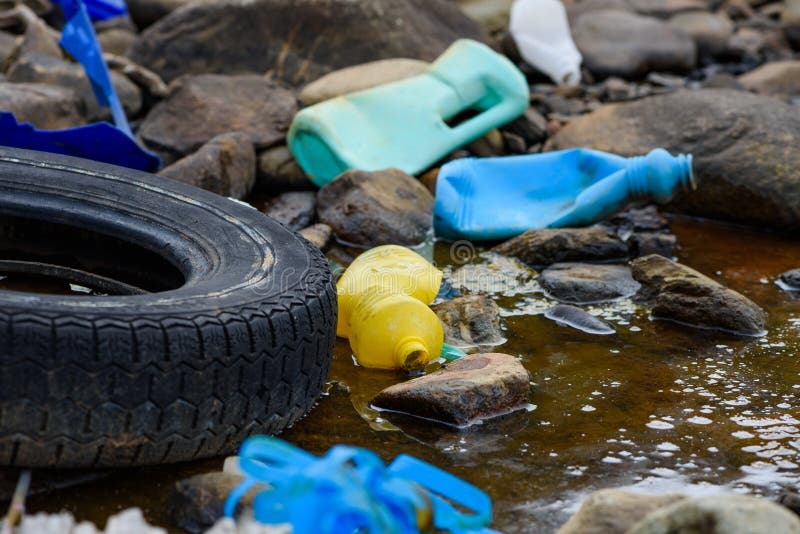
Plastic pollution is one of the most pressing environmental issues today. Billions of tons of plastic waste are produced annually, with only a small fraction recycled. The rest often ends up in landfills or oceans, where it persists for centuries. Pyrolysis provides a viable method to address this challenge by transforming discarded plastics into a valuable resource.
A plastic oil plant utilizes the pyrolysis process to convert mixed or single-type plastic waste into fuel oil. This oil can be refined for use in industrial furnaces, diesel engines, or even as raw material for producing new plastics. The environmental benefits are twofold: it prevents plastic waste from polluting ecosystems and generates a renewable energy source. Compared to incineration, pyrolysis produces significantly fewer greenhouse gases and toxic byproducts, making it a cleaner alternative.
Recovering Energy from Used Tyres
Another major application of pyrolysis is in the recycling of end-of-life tyres. Every year, millions of tonnes of used tyres are discarded worldwide, posing fire hazards and environmental risks. Through pyrolysis, these rubber wastes can be transformed into oil, gas, and carbon black—all of which have commercial value.
A tyre oil plant efficiently converts scrap tyres into liquid fuel oil. This oil has a high calorific value and can be used as a replacement for diesel or heating oil. The process also produces recovered carbon black, which is used in the manufacturing of rubber products, inks, and coatings. By integrating this technology, waste management industries can achieve both environmental protection and economic gains.
Environmental and Economic Benefits
The environmental benefits of pyrolysis technology are significant. It reduces landfill waste, lowers greenhouse gas emissions, and decreases dependence on fossil fuels. Additionally, the process recovers valuable byproducts that can be sold or reused, contributing to the profitability of recycling operations.
From an economic perspective, pyrolysis plants create opportunities for green jobs and sustainable business models. By converting local waste into fuel, communities can reduce import reliance and enhance energy security. Furthermore, governments and private investors are increasingly supporting pyrolysis-based projects due to their long-term environmental and financial advantages.
The Path Toward a Circular Economy
Pyrolysis technology represents a key step toward establishing a circular economy. Instead of disposing of waste after single use, materials are continuously repurposed and reintegrated into the production cycle. This approach not only conserves natural resources but also encourages sustainable growth.
As research continues to improve the efficiency and scalability of pyrolysis systems, more industries are likely to adopt this eco-friendly process. Innovations in automation, emission control, and energy recovery are making these systems more viable and cost-effective than ever before. For comprehensive details, connect with Beston Group.
Conclusion: A Greener Future Through Innovation
The conversion of waste into oil through pyrolysis is redefining how societies perceive waste and energy. It transforms an environmental burden into a sustainable resource, aligning economic development with ecological responsibility. As the world moves toward renewable solutions and responsible consumption, pyrolysis technology will undoubtedly play a central role in building a cleaner, greener future.
The treatment of oil sludge has become an increasingly critical issue as the world faces mounting environmental challenges. Oil sludge, typically generated by industries involved in petroleum extraction, refining, and transportation, poses significant disposal challenges. Traditionally, oil sludge is treated through incineration, landfilling, or chemical treatments, all of which present risks to both human health and the environment. However, pyrolysis has emerged as a promising alternative for the eco-friendly treatment of oil sludge. This method not only mitigates harmful environmental impacts but also offers a range of ecological benefits.
Reduced Emissions and Pollution
One of the most significant ecological advantages of pyrolysis system is its ability to minimize the emission of hazardous pollutants. Conventional oil sludge disposal methods, such as incineration, often release toxic gases, particulate matter, and other harmful substances into the atmosphere. These emissions contribute to air pollution, posing risks to both the environment and public health.
In contrast, the pyrolysis process takes place in a sealed environment, preventing the release of harmful pollutants into the air. The absence of oxygen during pyrolysis ensures that the organic components of the oil sludge decompose thermally without combustion. This results in significantly lower emissions of carbon dioxide, carbon monoxide, and other harmful gases. By controlling the temperature and pressure within the pyrolysis plant, operators can further reduce the formation of volatile organic compounds and polycyclic aromatic hydrocarbons (PAHs), which are commonly associated with traditional incineration methods.
Waste Reduction and Resource Recovery
Pyrolysis treatment also contributes to waste reduction, a crucial factor in addressing global waste management challenges. Oil sludge, a complex mixture of hydrocarbons, water, and inorganic materials, typically ends up in landfills or is incinerated. These disposal methods not only consume valuable land resources but also generate additional environmental problems, such as soil contamination and the release of greenhouse gases.
By using a thermal desorption unit to treat oil sludge, the volume of waste can be drastically reduced. The process breaks down the oil sludge into valuable by-products, including bio-oil, syngas, and solid carbon residues (char). These products can be repurposed for various applications. For example, bio-oil can be used as a fuel source, syngas can be used for energy generation, and carbon char can serve as a raw material for industries like agriculture or carbon black production. This approach aligns with the principles of a circular economy, where waste materials are converted into valuable resources rather than being discarded.
Soil and Water Protection
The management of oil sludge in a pyrolysis plant offers critical advantages for soil and water conservation. Traditional disposal methods, such as landfilling or open burning, can lead to significant contamination of the surrounding environment. When oil sludge is improperly disposed of in landfills, it can leach toxic substances into groundwater, contaminating local water supplies. The persistent hydrocarbons in oil sludge can also degrade soil quality, impacting agricultural productivity and ecosystem health.
Pyrolysis, on the other hand, provides a controlled and sealed treatment environment, ensuring that no harmful residues are released into the soil or water. The solid carbon residue produced during pyrolysis, often referred to as biochar, can be repurposed as a soil amendment. Biochar has the ability to improve soil structure, enhance water retention, and increase nutrient availability, all of which contribute to healthier soil and more productive ecosystems.
In addition, the oil sludge pyrolysis plant reduces the risk of soil contamination from hazardous chemicals present in the sludge. The absence of harmful by-products like heavy metals and PAHs in the final outputs ensures that pyrolysis-treated materials do not pose long-term risks to the environment.
Energy Efficiency and Carbon Footprint Reduction
Another notable ecological advantage of pyrolysis treatment is its energy efficiency. Unlike traditional incineration, which requires large amounts of external energy to maintain high combustion temperatures, pyrolysis is an energy-positive process. The thermal decomposition of oil sludge generates syngas, which can be used to power the pyrolysis plant itself, reducing the need for external energy sources. This internal energy recovery makes pyrolysis a more sustainable and cost-effective method of waste treatment.
Furthermore, pyrolysis results in a smaller carbon footprint compared to conventional treatment methods. While incineration releases significant quantities of CO2 and other greenhouse gases into the atmosphere, pyrolysis mitigates these emissions. The carbon contained in the oil sludge is partially converted into biochar, which acts as a stable form of carbon storage, preventing its release into the atmosphere. This carbon sequestration process contributes to reducing the overall environmental impact of oil sludge disposal. Contact Beston Group Co., Ltd. for sustainable oil sludge recycling solutions.
Compliance with Environmental Regulations
As environmental regulations around the world become increasingly stringent, industries are under greater pressure to adopt sustainable waste management practices. Pyrolysis offers a solution that complies with both national and international environmental standards. Unlike traditional disposal methods that may generate harmful emissions or lead to the contamination of land and water, pyrolysis treatment produces fewer pollutants and helps meet stringent waste disposal regulations.
In many regions, the incineration or landfilling of oil sludge is being phased out in favor of more sustainable methods. The pyrolysis process meets these new regulatory requirements while providing a valuable opportunity for companies to demonstrate their commitment to environmental stewardship and sustainability.
Oil sludge, a byproduct of oil exploration, refining, and storage, has long been a challenge in the oil and gas industry. Nigeria, being one of the largest oil producers in Africa, faces significant environmental and economic issues related to oil sludge accumulation. However, advancements in recycling technologies, particularly the use of thermal desorption units, offer promising solutions for mitigating the environmental impact of oil sludge while unlocking potential economic benefits.
The Growing Challenge of Oil Sludge in Nigeria
Nigeria’s oil industry generates vast amounts of oil sludge, which consists of a mix of hydrocarbons, water, and solid particles such as sand and clay. This sludge is produced during oil extraction, transportation, and storage processes. While it contains valuable hydrocarbons that could be recycled, the environmental concerns surrounding improper disposal are significant. Oil sludge has the potential to contaminate soil, water sources, and marine ecosystems, posing severe ecological risks.
The accumulation of oil sludge has also been a financial burden for companies in Nigeria, which are required to manage and dispose of this waste in a safe and environmentally responsible manner. Without proper treatment, oil sludge may end up in landfills or be incinerated, both of which are inefficient and harmful methods of disposal. Therefore, the adoption of advanced recycling technologies such as thermal desorption unit presents an effective solution to these issues.
The Role of Thermal Desorption in Oil Sludge Recycling
Thermal desorption is a specialized technology that uses heat to separate hydrocarbons from contaminated solids, such as oil sludge. The process involves heating the sludge to temperatures where the contaminants, mainly the hydrocarbons, evaporate and are subsequently condensed for recovery. The cleaned solids can be safely disposed of, while the extracted oils can be processed further and reused.
A thermal desorption unit is particularly well-suited for recycling oil sludge because it efficiently recovers valuable hydrocarbons, reduces the volume of waste, and minimizes environmental impact. The use of this technology can also help oil companies comply with local environmental regulations and industry standards. In a country like Nigeria, where the oil industry contributes significantly to the economy, integrating thermal desorption technology into waste management practices has the potential to improve sustainability and resource efficiency.
Market Potential for Oil Sludge Recycling in Nigeria
The market for oil sludge recycling in Nigeria is expected to grow, driven by several factors. First, the Nigerian government has implemented stringent environmental policies to curb pollution and encourage sustainable practices in the oil and gas sector. As part of these efforts, companies are being incentivized to adopt waste management solutions that reduce environmental harm.
The implementation of thermal desorption pyrolysis equipment in Nigeria could lead to a significant reduction in the environmental risks associated with oil sludge. With the ability to recover oil from waste, companies can reduce their reliance on new oil extraction, aligning with global trends toward more sustainable and circular economies. Additionally, this process offers the potential for profit generation, as the recovered oil can be sold or reused in various applications.
Furthermore, as the Nigerian oil industry continues to expand, the volume of oil sludge generated will increase. This creates a growing need for efficient and cost-effective recycling technologies. Thermal desorption, with its ability to handle large quantities of oil sludge, can meet this demand. The technology not only aids in waste disposal but also supports the broader goals of reducing carbon emissions, conserving resources, and improving the environmental performance of the oil sector.
Economic Benefits of Oil Sludge Recycling
The economic benefits of oil sludge recycling in Nigeria are multifaceted. By adopting thermal desorption units, oil companies can transform waste into a profitable resource. The recovered hydrocarbons from oil sludge can be refined and sold, providing an additional revenue stream. This process can also reduce the costs associated with waste management, including transportation, disposal, and environmental penalties for non-compliance.
Moreover, the recycling of oil sludge through thermal desorption can lead to cost savings in remediation efforts. Oil-contaminated sites, including land and water, require expensive cleanup procedures, but these costs can be significantly reduced if thermal desorption pyrolysis reactor is used to treat the sludge onsite, minimizing the need for extensive site remediation.
The adoption of this technology could also have positive effects on Nigeria’s oil and gas sector in terms of international trade. Countries and organizations that prioritize sustainability are increasingly looking to partner with firms that have effective waste management practices. By showcasing a commitment to oil sludge recycling, Nigerian oil companies can enhance their global reputation, attract investment, and access new markets for their products.
Environmental and Social Impact
The environmental impact of oil sludge recycling extends beyond the reduction of pollution. By adopting thermal desorption units, oil companies in Nigeria can help mitigate the adverse effects of oil sludge on local ecosystems, including the contamination of water supplies and the degradation of soil quality. Furthermore, thermal desorption reduces the carbon footprint of waste management practices by avoiding the burning or landfilling of oil sludge. To obtain eco-friendly thermal desorption solutions for oil sludge, please contact: https://bestonmachinery.com/
From a social perspective, the adoption of sustainable technologies like thermal desorption in Nigeria has the potential to improve the livelihoods of local communities. The reduction of environmental pollution can lead to improved public health outcomes, and the creation of new job opportunities in the recycling and waste management sectors can contribute to economic growth.
Conclusion
The market prospects for oil sludge recycling in Nigeria are substantial, driven by environmental, economic, and regulatory factors. The use of thermal desorption units offers a sustainable, cost-effective solution to managing oil sludge while recovering valuable hydrocarbons. As Nigeria continues to strengthen its commitment to environmental protection and sustainable practices in the oil and gas sector, thermal desorption could play a pivotal role in transforming waste into a valuable resource, fostering both ecological and economic benefits.
Investing in a coconut shell charcoal making machine represents a strategic move towards sustainable production and efficient waste management. Coconut shells, a byproduct of coconut processing, are increasingly recognized for their value in charcoal production due to their high carbon content and low ash production. However, purchasing a machine for making charcoal from coconut shell involves several considerations to ensure a profitable and effective investment. This article outlines the key factors to evaluate when investing in a coconut shell charcoal making machine, focusing on aspects such as machine price, efficiency, and operational requirements.
Key Considerations for Investment
Understanding Machine Specifications
Capacity and Throughput
The capacity of the coconut charcoal making machine is a critical factor to consider. This refers to the amount of coconut shell the machine can process within a given time frame. Machines with higher capacities are suitable for large-scale operations, while smaller units may be more appropriate for smaller businesses. Evaluating throughput helps in aligning the machine’s capabilities with production goals and market demands.
Fuel Efficiency and Energy Consumption
The efficiency of the machine in converting coconut shells into charcoal impacts both operational costs and environmental footprint. Look for machines that offer high fuel efficiency, meaning they utilize energy effectively to maximize output. Machines with advanced technology often incorporate features that enhance energy efficiency, such as optimized combustion systems and heat recovery mechanisms.
Automation and Control Systems
Modern coconut shell charcoal making machines come with advanced automation and control systems. These features facilitate precise control over the pyrolysis process, ensuring consistent quality and reducing manual intervention. Investing in a machine with sophisticated control systems can lead to more efficient production and lower labor costs.
Evaluating Machine Price
Initial Investment and Budget
The coconut shell charcoal making machine price is a significant factor in the investment decision. Prices can vary widely based on machine capacity, technology, and additional features. It is essential to align the machine price with your budget while considering the long-term return on investment. Ensure that the initial cost is justified by the machine’s capabilities and potential profitability.
Cost of Operation and Maintenance
Beyond the initial purchase price, consider the ongoing operational and maintenance costs. This includes expenses related to fuel, labor, and regular maintenance. A machine with lower operational costs can contribute to higher overall profitability. Review the manufacturer’s guidelines on maintenance requirements and the availability of spare parts to avoid unexpected expenses.
Assessing Machine Performance
Quality of Charcoal Produced
The quality of charcoal produced by the machine is a crucial aspect. High-quality charcoal should have a high carbon content, low ash, and minimal smoke emissions. Ensure that the machine you choose produces charcoal that meets industry standards and customer expectations. This can impact marketability and customer satisfaction.
Durability and Build Quality
The durability and build quality of the machine influence its lifespan and performance. Machines constructed from high-grade materials and with robust design features are likely to withstand the rigors of continuous operation. Assess the machine’s construction and check for warranties or guarantees offered by the manufacturer.
Considering Technological Advancements
Pyrolysis Technology
The core technology behind coconut shell charcoal production is pyrolysis, a thermal decomposition process that converts organic material into charcoal, gas, and liquid byproducts. Modern machines utilize advanced pyrolysis technology to enhance efficiency and output. Understanding the different pyrolysis methods and their advantages can help in selecting a machine that aligns with production needs. Therefore, the R&D capability of the equipment manufacturer is particularly important. If you want to choose a carbon making machine manufacturer with excellent technology, Beston Group Co., Ltd. is a good choice.
Integration with Other Systems
Consider whether the machine can be integrated with other systems, such as feeding and drying equipment. Integration can streamline the production process and improve overall efficiency. Evaluate the compatibility of the charcoal making machine with other components in your production line.
Compliance and Environmental Impact
Regulatory Compliance
Ensure that the machine complies with local regulations and environmental standards. This includes emissions regulations, safety standards, and waste management requirements. Compliance with regulatory standards is crucial for avoiding legal issues and maintaining operational permits.
Environmental Considerations
The environmental impact of the machine should be assessed. Look for machines that incorporate features to minimize environmental impact, such as efficient dust and smoke control systems. Sustainable practices in charcoal production not only benefit the environment but can also enhance the company’s reputation.
Supplier Reputation and Support
Manufacturer’s Reputation
Research the reputation of the machine’s manufacturer. Established manufacturers with a track record of reliability and customer satisfaction are more likely to provide high-quality products and support. Check customer reviews, case studies, and industry references to gauge the manufacturer’s credibility.
After-Sales Support
Evaluate the level of after-sales support offered by the manufacturer. This includes technical support, training, and availability of spare parts. Adequate support can significantly impact the machine’s performance and longevity. Ensure that the manufacturer provides comprehensive after-sales services to address any issues that may arise.
Conclusion
Investing in a coconut shell charcoal making machine involves careful consideration of several factors to ensure a successful and profitable operation. Understanding machine specifications, evaluating price and performance, and considering technological advancements are crucial steps in making an informed investment decision. Additionally, compliance with regulatory standards and assessing supplier reputation contribute to a sound investment strategy.
By thoroughly evaluating these aspects, you can select a coconut shell charcoal making machine that meets production goals, aligns with budgetary constraints, and supports long-term profitability. The right machine will not only enhance production efficiency but also contribute to sustainable waste management and resource utilization.
When it comes to transforming waste into valuable resources, the pyrolysis plant at Beston Group stands at the forefront of innovation. This cutting-edge technology harnesses the power of pyrolysis, a process that breaks down waste materials using heat in the absence of oxygen. It’s not just about reducing waste; it’s about creating something new and valuable from what was once considered useless. Welcome to the world where waste is no longer a problem but an opportunity.
Unleashing the Power of Pyrolysis
Imagine a world where discarded tires, plastic waste, and other non-biodegradable materials no longer clog our landfills. Instead, they are transformed into oil, gas, and charcoal. This is the magic of the pyrolysis plant at Beston Group. By applying high temperatures in a controlled, oxygen-free environment, these plants can decompose complex materials into simpler compounds. The process is as fascinating as it is efficient.
The Thermal Desorption Unit
A critical component of the pyrolysis plant is the thermal desorption unit. This unit plays a pivotal role in the overall process, ensuring that the waste materials are heated to the perfect temperature for pyrolysis to occur. The thermal desorption unit operates with precision, maintaining the delicate balance required to decompose the waste without combustion. This ensures that the maximum amount of valuable products is extracted from the waste materials.
From Plastic Waste to Fuel
One of the standout features of the Beston Group’s pyrolysis plant is its ability to convert plastic waste into fuel. Yes, you read that right—plastic can be turned into oil! This is where the plastic oil machine comes into play. The plastic oil machine is designed to handle various types of plastic waste, breaking them down into oil, which can then be refined and used as fuel. This not only reduces the amount of plastic waste but also provides a renewable source of energy. It’s a win-win situation for both the environment and the economy.
Transforming Tires into Treasure
Old tires are notoriously difficult to dispose of. They don’t decompose easily and can take up a significant amount of space in landfills. However, with the pyrolysis plant at Beston Group, old tires are no longer a problem. The tyre oil plant is specifically designed to handle this type of waste. By breaking down the rubber in the tires, the tyre oil plant produces oil, gas, and carbon black. These by-products have numerous industrial applications, making old tires valuable once more.
Environmental Benefits
The environmental benefits of the pyrolysis plant at Beston Group cannot be overstated. By diverting waste from landfills and converting it into useful products, these plants significantly reduce the environmental footprint of waste disposal. Moreover, the process itself is environmentally friendly. Since it occurs in the absence of oxygen, it produces minimal emissions compared to traditional incineration methods.
Economic Advantages
Beyond the environmental benefits, there are substantial economic advantages to using pyrolysis plants. The products generated by the pyrolysis process—oil, gas, and charcoal—have significant market value. This creates a new revenue stream from materials that would otherwise be considered waste. Additionally, the use of pyrolysis technology can reduce the costs associated with waste management and disposal.
A Vision for the Future
The pyrolysis plant at Beston Group represents a vision for a sustainable future. It’s about more than just managing waste; it’s about reimagining waste as a resource. By continually innovating and improving their technology, Beston Group is paving the way for a world where waste is not a burden but a valuable commodity.
Conclusion
In a world grappling with the challenges of waste management and environmental sustainability, the pyrolysis plant at Beston Group offers a beacon of hope. Through the meticulous operation of the thermal desorption unit, the transformative power of the plastic oil machine, and the resourcefulness of the tyre oil plant, Beston Group is redefining what it means to manage waste. It’s not just about disposal; it’s about transformation and utilization. So, the next time you think about waste, remember the pyrolysis plant at Beston Group. It’s where waste meets innovation, and the future looks a lot greener and brighter. More details await you at Beston Group Co., Ltd.
.
The oil and gas industry is a cornerstone of the global economy, providing essential energy resources and raw materials. However, it also generates significant waste, particularly in the form of drill cuttings. Drill cuttings are the broken bits of solid material removed from drilling fluid, typically containing a mixture of rock fragments, drilling mud, and potentially harmful substances. Managing this waste efficiently and sustainably is crucial. One promising technology in this regard is the Thermal Desorption Unit (TDU). This blog explores the function, benefits, and application of TDUs in the management of drill cuttings, highlighting their role in promoting environmental sustainability and operational efficiency.
Understanding Thermal Desorption Units
The thermal desorption unit (TDU) is a specialized system designed to treat contaminated solids by heating them to temperatures that vaporize the contaminants. The principle is straightforward: heat is applied to the waste material, causing volatile contaminants to separate from the solids. These contaminants are then captured, condensed, and treated, leaving the cleaned solids behind. TDUs are particularly effective for treating oil-based drill cuttings and other hydrocarbon-contaminated materials.
The Process of Thermal Desorption
The thermal desorption process involves several key steps:
Pre-treatment:
Screening and Segregation: Drill cuttings are screened to remove large debris and segregated based on contamination levels.
Preparation: The cuttings may be mixed or conditioned to ensure consistent feedstock for the TDU.
Heating:
Indirect Heating: The material is heated indirectly using hot gases or thermal conduction. The lack of direct flame contact prevents the burning of the material, focusing on volatilizing the contaminants.
Temperature Control: The temperature is precisely controlled, typically ranging from 250°C to 500°C, depending on the nature of the contaminants.
Desorption:
Contaminant Vaporization: As the material heats up, volatile contaminants are vaporized and separated from the solids.
Gas Collection: The vaporized contaminants are collected and transported to a treatment system.
Contaminant Treatment:
Condensation: Vaporized contaminants are condensed into liquid form for easier handling.
Treatment and Disposal: The condensed contaminants are treated to remove harmful substances before disposal or recycling.
Post-treatment:
Solids Handling: The cleaned solids, now free from volatile contaminants, can be safely disposed of or reused in construction, land reclamation, or other applications. More information on oil sludge pyrolysis plant here.
Advantages of Thermal Desorption Units
Environmental Benefits:
Pollution Reduction: TDUs significantly reduce the environmental impact of drill cuttings by removing harmful hydrocarbons and other contaminants.
Waste Minimization: By treating and reusing drill cuttings, TDUs help minimize the volume of waste requiring disposal.
Soil Remediation: The technology can also be used for soil remediation, cleaning contaminated soil and preventing groundwater pollution.
Economic Benefits:
Cost Savings: Reducing the volume of waste and the need for hazardous waste disposal can result in significant cost savings for oil and gas operators.
Resource Recovery: Valuable hydrocarbons recovered during the thermal desorption process can be reused, providing an additional revenue stream.
Regulatory Compliance:
Meeting Standards: TDUs pyrolysis equipment help companies meet stringent environmental regulations and standards, avoiding fines and legal issues.
Sustainable Practices: Adopting TDUs demonstrates a commitment to sustainable practices, enhancing corporate reputation and stakeholder trust.
Operational Efficiency:
On-site Treatment: TDUs can be deployed on-site, reducing the need for transporting hazardous waste and minimizing associated risks and costs.
Versatility: The technology is versatile and can be adapted to treat various types of contaminated solids, not just drill cuttings.
Applications in the Oil and Gas Industry
Offshore and Onshore Drilling:
Offshore Operations: TDUs are particularly valuable in offshore drilling operations where space and waste disposal options are limited. On-site treatment reduces the need for transporting waste to shore for disposal.
Onshore Operations: Onshore drilling sites benefit from TDUs by reducing environmental footprints and improving compliance with local waste management regulations.
Contaminated Site Remediation:
Legacy Sites: TDUs are used to remediate contaminated legacy sites, including old drilling locations and refineries, restoring them for safe use.
Accident Response: In case of spills or leaks, TDUs provide a rapid and effective solution for treating contaminated soil and materials.
Industrial Waste Management:
Broader Applications: Beyond drill cuttings, TDUs can be applied to various industrial waste streams, including refinery waste, sludge, and contaminated soil from construction sites.
Challenges and Considerations
High Initial Investment:
Capital Costs: The initial investment for TDU technology can be high, which may be a barrier for smaller operators.
Long-term Savings: Despite high upfront costs, long-term savings from reduced waste disposal fees and recovered resources can offset the investment.
Operational Expertise:
Skilled Personnel: Operating a TDU requires skilled personnel and proper training to ensure safe and efficient operation.
Maintenance: Regular maintenance is necessary to keep the units running efficiently and to prevent breakdowns.
Energy Consumption:
Energy Use: TDUs require significant energy to heat the materials, which can be a concern in terms of operational costs and environmental impact.
Energy Efficiency: Advances in energy-efficient technologies and the use of recovered syngas from the process can mitigate this issue.
Innovations and Future Directions
Improved Energy Efficiency:
Heat Recovery Systems: Integrating heat recovery systems to utilize waste heat can improve the overall energy efficiency of TDUs.
Renewable Energy: Using renewable energy sources, such as solar or wind power, to run TDUs can further reduce their environmental footprint.
Mobile Units:
Portability: Developing mobile TDUs that can be easily transported and set up at different sites enhances their flexibility and accessibility.
Rapid Deployment: Mobile units allow for rapid response to environmental incidents, providing immediate treatment of contaminated materials.
Advanced Monitoring and Control:
Automation: Incorporating advanced monitoring and control systems can optimize the thermal desorption process, improving efficiency and reducing operational risks.
Data Analytics: Utilizing data analytics to monitor performance and predict maintenance needs can enhance reliability and lifespan of TDUs.
Integration with Other Technologies:
Combined Treatment Systems: Integrating TDUs with other waste treatment technologies, such as bioremediation and chemical treatments, can provide comprehensive solutions for complex waste streams.
Circular Economy: Developing systems that enable the reuse of treated materials in various industries supports the principles of a circular economy.
Conclusion
Thermal Desorption Units offer a robust and sustainable solution for managing drill cuttings and other contaminated solids in the oil and gas industry. By converting waste into reusable materials, TDUs address environmental concerns, enhance regulatory compliance, and provide economic benefits. While challenges such as high initial costs and energy consumption exist, ongoing innovations and improvements in technology are paving the way for more efficient and accessible TDUs. Embracing this technology not only aligns with sustainable practices but also demonstrates a proactive approach to responsible waste management, contributing to the long-term viability of the oil and gas industry. As the industry continues to evolve, the role of TDUs in promoting environmental stewardship and operational efficiency will undoubtedly become increasingly significant. Information on Beston Group here.
In the realm of sustainable resource utilization, the utilization of sugarcane bagasse holds immense promise, particularly in the context of the sugar industry. With the advent of advanced technologies such as sugarcane bagasse charcoal making machines, the sugar industry can unlock numerous benefits ranging from waste reduction to revenue generation. In this comprehensive analysis, we explore the multifaceted advantages of integrating sugarcane bagasse charcoal making machines into the operations of the sugar industry, paving the way for economic prosperity and environmental stewardship.
Waste Reduction and Resource Utilization
Sugarcane bagasse, the fibrous residue left behind after extracting juice from sugarcane, is a significant byproduct of the sugar manufacturing process. Traditionally considered waste material, sugarcane bagasse poses disposal challenges for sugar mills and contributes to environmental pollution. However, with the utilization of sugarcane bagasse charcoal making machine, this agricultural residue can be converted into valuable charcoal products, thereby reducing waste and maximizing resource utilization.
Economic Viability and Revenue Generation
One of the primary benefits of sugarcane bagasse charcoal making machines for the sugar industry is their potential to generate additional revenue streams. By converting sugarcane bagasse into charcoal products, sugar mills can diversify their product offerings and tap into lucrative markets such as the energy sector, barbecue industry, and industrial applications. This not only enhances the economic viability of sugar mills but also creates employment opportunities and stimulates local economies.
Energy Independence and Sustainability
The utilization of charcoal produced from sugarcane bagasse offers a sustainable alternative to traditional fossil fuels such as coal and wood. Charcoal derived from sugarcane bagasse is renewable, carbon-neutral, and emits lower levels of greenhouse gases compared to conventional fuels. By incorporating sugarcane bagasse charcoal machine into the operations, sugar mills can achieve energy independence, reduce their carbon footprint, and contribute to mitigating climate change.
Soil Amendment and Agricultural Benefits
Sugarcane bagasse charcoal, also known as biochar, has proven agricultural benefits when used as a soil amendment. Biochar improves soil fertility, enhances water retention, and promotes nutrient cycling, thereby boosting crop yields and agricultural productivity. By producing biochar from sugarcane bagasse, sugar mills can not only enhance the sustainability of their own agricultural operations but also provide a valuable input for local farmers, fostering agricultural development and food security.
Carbon Sequestration and Climate Change Mitigation
The production of charcoal from sugarcane bagasse plays a vital role in carbon sequestration and climate change mitigation. By converting carbon-rich sugarcane bagasse into stable charcoal products, sugarcane bagasse charcoal making machines effectively remove carbon from the atmosphere and store it in a long-term, inert form. This helps offset carbon emissions from other sources and contributes to global efforts to combat climate change and achieve carbon neutrality. If you would like to inquire more about carbon sinks, please contact Beston Group Co., Ltd.
Environmental Compliance and Regulatory Benefits
In addition to the economic and environmental benefits, the adoption of sugarcane bagasse charcoal making machines offers regulatory compliance advantages for the sugar industry. Many countries and regions have stringent regulations governing waste management and air quality, mandating the reduction of organic waste and emissions from industrial operations. By investing in sugarcane bagasse charcoal production machinery, sugar mills can align with regulatory requirements, minimize environmental impact, and enhance their reputation as responsible corporate citizens.
Technological Advancements and Operational Efficiency
Recent advancements in sugarcane bagasse charcoal making machines have improved their efficiency, reliability, and ease of operation. Modern charcoal making machines employ advanced pyrolysis technology to convert sugarcane bagasse into charcoal with high yields and minimal energy consumption. Automated controls, process monitoring systems, and integrated safety features further enhance operational efficiency and ensure consistent product quality, making sugarcane bagasse charcoal making machines an attractive investment for sugar mills.
Conclusion
In conclusion, the integration of sugarcane bagasse charcoal making machines into the operations of the sugar industry offers a multitude of benefits spanning waste reduction, revenue generation, energy independence, soil amendment, carbon sequestration, regulatory compliance, and technological advancement. By harnessing the potential of sugarcane bagasse as a renewable feedstock for charcoal production, sugar mills can enhance their sustainability, profitability, and resilience in a rapidly evolving market landscape. As the demand for sustainable solutions continues to rise, sugarcane bagasse charcoal making machines stand poised to revolutionize the sugar industry, ushering in a new era of economic prosperity and environmental stewardship.
In the quest for sustainable and eco-friendly solutions, the pyrolysis process has emerged as a promising technology. Pyrolysis involves the thermal decomposition of organic materials in the absence of oxygen, resulting in the production of valuable byproducts such as biochar, bio-oil, and syngas. This innovative approach not only offers a solution to waste management but also provides renewable energy sources and carbon sequestration. In this comprehensive guide, we’ll delve into the fundamentals of the plastic pyrolysis machine, its applications, benefits, challenges, and future prospects.
Understanding Pyrolysis:
Pyrolysis is a thermochemical conversion process that involves heating organic materials, such as biomass, plastic, or rubber, in the absence of oxygen. This absence of oxygen prevents combustion and allows the organic material to undergo thermal decomposition, breaking down into smaller molecules. The primary products of pyrolysis are biochar (solid carbonaceous residue), bio-oil (liquid fraction), and syngas (gaseous mixture of carbon monoxide, hydrogen, and methane).
Types of Pyrolysis:
Pyrolysis can be categorized into three main types based on the operating conditions and end products:
a. Slow Pyrolysis: Slow pyrolysis involves heating biomass materials at relatively low temperatures (300-500°C) over an extended period (several hours to days). This gradual heating rate promotes the formation of biochar as the primary product, with smaller quantities of bio-oil and syngas. Slow pyrolysis is often used for the production of biochar for soil amendment and carbon sequestration.
b. Fast Pyrolysis: Fast pyrolysis operates at higher temperatures (500-800°C) and shorter residence times (a few seconds to minutes). This rapid heating rate maximizes the production of bio-oil as the main product, along with smaller amounts of biochar and syngas. Fast pyrolysis is commonly employed for the production of bio-oil for biofuels, chemicals, and energy generation.
c. Batch Pyrolysis: Batch type operates at moderate temperatures (300-500°C) and residence times, striking a balance between slow and fast pyrolysis. This process typically produces biochar as the primary product, along with significant quantities of bio-oil and syngas. Intermediate pyrolysis is suitable for applications requiring a combination of biochar and bio-oil, such as bioenergy production and waste valorization. Besides, the mobile pyrolysis system is convenient for moving.
Applications of Pyrolysis:
The versatility of the pyrolysis process makes it applicable across various industries and sectors:
a. Waste Management: Pyrolysis offers a sustainable solution for the treatment of organic waste, including agricultural residues, municipal solid waste, and sewage sludge. By converting organic waste into biochar, bio-oil, and syngas, pyrolysis mitigates environmental pollution, reduces landfill volumes, and generates renewable energy.
b. Energy Production: The bio-oil and syngas produced through pyrolysis can be utilized as renewable energy sources for heat and power generation. Bio-oil can be upgraded into transportation fuels or used as a feedstock for chemical synthesis, while syngas can be combusted directly in gas turbines or used for the production of hydrogen and other chemicals.
c. Soil Amendment: Biochar produced from pyrolysis is rich in carbon and nutrients, making it an effective soil amendment for improving soil fertility, water retention, and nutrient cycling. Biochar application enhances crop productivity, mitigates soil erosion, and sequesters carbon dioxide from the atmosphere, contributing to climate change mitigation and sustainable agriculture.
d. Chemicals and Materials: Bio-oil derived from pyrolysis can be further processed into valuable chemicals, such as phenols, furans, and hydrocarbons, for use in various industrial applications, including plastics, resins, and adhesives. Additionally, biochar can be utilized as a precursor for activated carbon, carbon black, and other high-value materials.
Benefits of Pyrolysis:
Pyrolysis offers several advantages compared to traditional waste management and energy production methods:
a. Environmental Sustainability: Pyrolysis reduces greenhouse gas emissions, air pollutants, and landfill volumes by diverting organic waste from incineration and landfilling. The production of biochar enhances soil health and carbon sequestration, contributing to climate change mitigation and sustainable land management.
b. Resource Recovery: Pyrolysis allows for the recovery of valuable resources, including biochar, bio-oil, and syngas, from organic waste streams. These resources can be utilized for energy generation, soil amendment, and chemical production, reducing the reliance on finite fossil fuels and virgin materials.
c. Economic Viability: Pyrolysis presents economic opportunities through the production of renewable energy, bio-based products, and value-added materials. The sale of biochar, bio-oil, and syngas can generate revenue streams, while cost savings can be achieved through waste diversion and resource recovery.
d. Technological Innovation: Advances in pyrolysis technology, process optimization, and product development continue to drive innovation and commercialization in the field. New pyrolysis reactor designs, catalysts, and feedstock pre-treatments are enhancing process efficiency, product quality, and scalability, expanding the potential applications of pyrolysis. Contact the suitable manufacturer for the technology and batch pyrolysis plant.
Challenges and Limitations:
Despite its many benefits, pyrolysis also faces several challenges and limitations:a. Feedstock Availability: The availability and quality of feedstock, such as biomass or waste materials, can vary depending on factors such as geographic location, seasonality, and land use practices. Ensuring a consistent and reliable feedstock supply is essential for the successful operation of pyrolysis facilities.
b. Technological Complexity: Pyrolysis technology requires specialized equipment, expertise, and infrastructure for efficient and safe operation. The design, construction, and maintenance of pyrolysis reactors, heat transfer systems, and emissions control devices can be technically challenging and capital-intensive.
c. Product Quality and Market Demand: The quality and composition of pyrolysis products, such as biochar and bio-oil, can vary depending on feedstock characteristics, process conditions, and post-processing treatments. Meeting market specifications and demand for these products may require additional processing, testing, and certification.
d. Regulatory and Policy Frameworks: Pyrolysis facilities must comply with environmental regulations, waste management standards, and renewable energy policies governing air emissions, water discharge, and waste disposal. Regulatory uncertainty, permitting delays, and evolving sustainability criteria can pose challenges to project development and investment.
Future Prospects:
Despite the challenges, the future prospects of pyrolysis remain promising, driven by increasing environmental concerns, resource constraints, and energy security issues. Advances in pyrolysis technology, process optimization, and product innovation are expected to enhance the efficiency, scalability, and commercial viability of pyrolysis systems. Furthermore, supportive policy frameworks, financial incentives, and public-private partnerships can stimulate investment and market uptake of pyrolysis-based solutions.
Conclusion:
The pyrolysis process represents a sustainable and versatile technology for waste management, energy production, and resource recovery. By converting organic materials into biochar, bio-oil, and syngas, pyrolysis offers environmental, economic, and social benefits, contributing to climate change mitigation, circular economy principles, and sustainable development goals. Despite the challenges and limitations, ongoing research, development, and deployment efforts are driving innovation and commercialization in the field, paving the way for a brighter and greener future powered by pyrolysis.
In the intricate dance of environmental stewardship, where biomass waste poses a formidable challenge, a potent elixir emerges – the biochar solution. This avant-garde approach transcends traditional methods, offering a nuanced and sustainable avenue for biomass waste processing. Let’s unravel the advantages that make biochar a transformative force in this ecological narrative.
Biochar
The Biochar Ballet
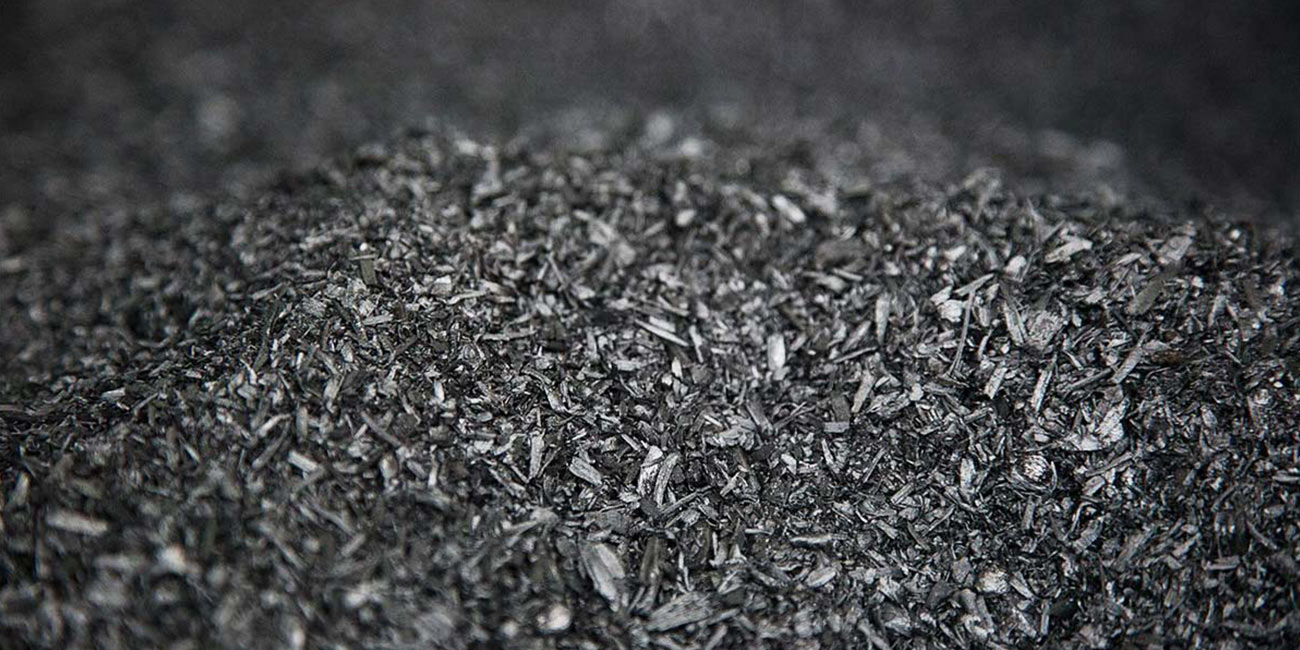
Before delving into the advantages, let’s demystify biochar. Biochar, often referred to as the “black gold” of agriculture, is a carbon-rich material produced through the process of pyrolysis – the thermal decomposition of organic matter by biochar machine in the absence of oxygen. This alchemical transformation gives birth to a substance with unparalleled potential.
1. Carbon Sequestration Champion
Biochar’s prowess as a carbon sequestration champion takes center stage. When integrated into soil, biochar acts as a carbon sink, locking away carbon for an extended period. This not only aids in mitigating climate change but also enhances soil health through the creation of a stable and fertile environment.
2. Nutrient-Rich Reservoir
The porous structure of biochar serves as a reservoir for essential nutrients. Its high surface area provides a habitat for microbial activity, fostering a symbiotic relationship with plant roots. The result is an enriched soil matrix that promotes optimal nutrient availability for plant growth, thereby revolutionizing agricultural practices.
3. Water Retention Maestro
In the realm of water dynamics, biochar emerges as a maestro. Its sponge-like properties enable it to retain water, acting as a natural moisture regulator for plants. This not only aids in drought resistance but also minimizes water runoff, curbing soil erosion and contributing to sustainable water management. See the biochar production equipment here.
4. Waste to Resource Alchemy
Biomass waste, often viewed as a burden, undergoes a metamorphic journey in the hands of biochar solutions. Through pyrolysis, agricultural residues, forestry waste, or organic by-products transform into a valuable resource. This waste-to-resource alchemy aligns with the ethos of circular economies, fostering a regenerative approach to waste management.
5. Contaminant Neutralizer
Biochar’s unique chemical properties make it an adept contaminant neutralizer. In the process of pyrolysis, it can adsorb and immobilize pollutants, ranging from heavy metals to organic compounds. This dual role – transforming waste into a resource while detoxifying the environment – positions biochar as a formidable player in environmental remediation. Check the coconut shell charcoal making machine here.
6. Microbial Haven
Beneath the surface, biochar creates a haven for beneficial microorganisms. Its intricate structure provides a refuge for bacteria and fungi, fostering a diverse microbial community. This underground symphony enhances soil biodiversity, contributing to disease suppression and overall ecosystem resilience.
The Holistic Tapestry
As we weave the advantages of biochar into a holistic tapestry, it becomes evident that its applications extend beyond the realms of agriculture and waste management. Biochar solutions hold the potential to reshape our approach to sustainability and environmental well-being.
1. Climate Resilience Catalyst
The carbon sequestration abilities of biochar reverberate through the climate resilience narrative. By locking away carbon and mitigating greenhouse gas emissions, biochar becomes a catalyst in the fight against climate change. Its adoption in sustainable practices contributes to a resilient and balanced ecosystem.
2. Renewable Energy Synergy
The pyrolysis process, a precursor to biochar production, generates bioenergy. This synergy between biochar and renewable energy aligns with the principles of circularity. The by-products of one process become the inputs for another, fostering an interconnected and sustainable energy landscape.
3. Economic Empowerment
Beyond environmental advantages, the adoption of biochar solutions has socio-economic implications. Localized production of biochar creates opportunities for economic empowerment within communities. It not only addresses waste management challenges but also stimulates green entrepreneurship, ushering in a new era of sustainable livelihoods.
Charting the Future: Biochar as the Vanguard
In the grand tapestry of ecological strategies, biochar emerges as the vanguard, wielding advantages that resonate across diverse domains. From soil fertility to waste valorization, from carbon sequestration to water conservation, biochar solutions embody the essence of a regenerative and sustainable future.
As we navigate the complexities of biomass waste processing by wood charcoal making machine, the biochar solution stands as a beacon of hope. Its transformative advantages not only address current environmental challenges but also lay the foundation for a paradigm shift towards harmony with nature. In the delicate choreography of ecological restoration, biochar takes center stage, offering a symphony of benefits harmonize with the rhythm of a greener, more sustainable world.